
We released a number of press releases detailing programmes we’re proud to be involved in, met with wide ranging domestic and international delegations and had the opportunity to introduce RCV-Pioneer to the international market. Read more about our DSEI 2023 activities below.
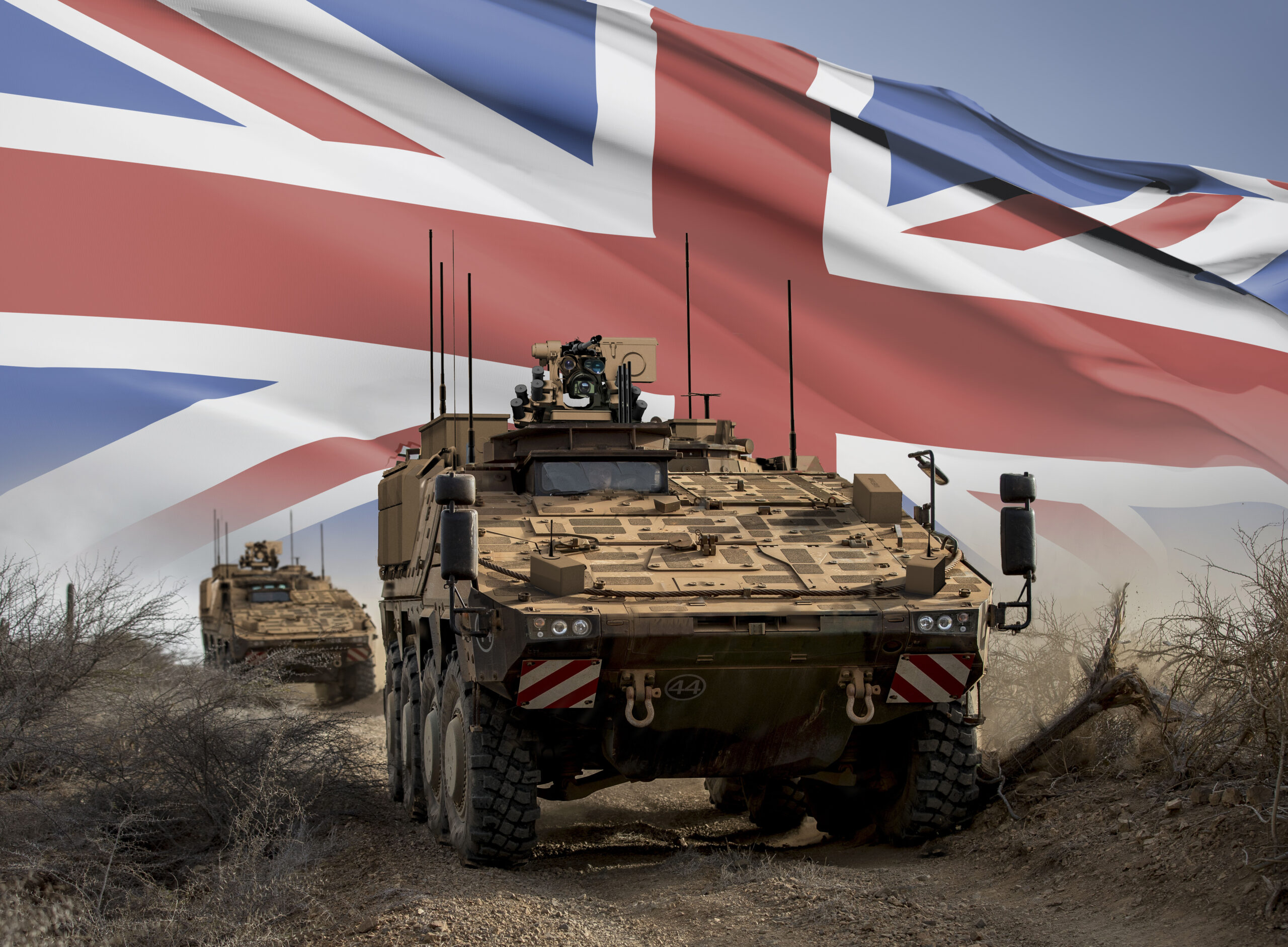
We announced that we have furthered our contribution to British Army armoured vehicle programmes, with a contract from KNDS to manufacture Mission Modules for the British Army’s BOXER Mechanised Infantry Vehicle. Read more about the programme here.
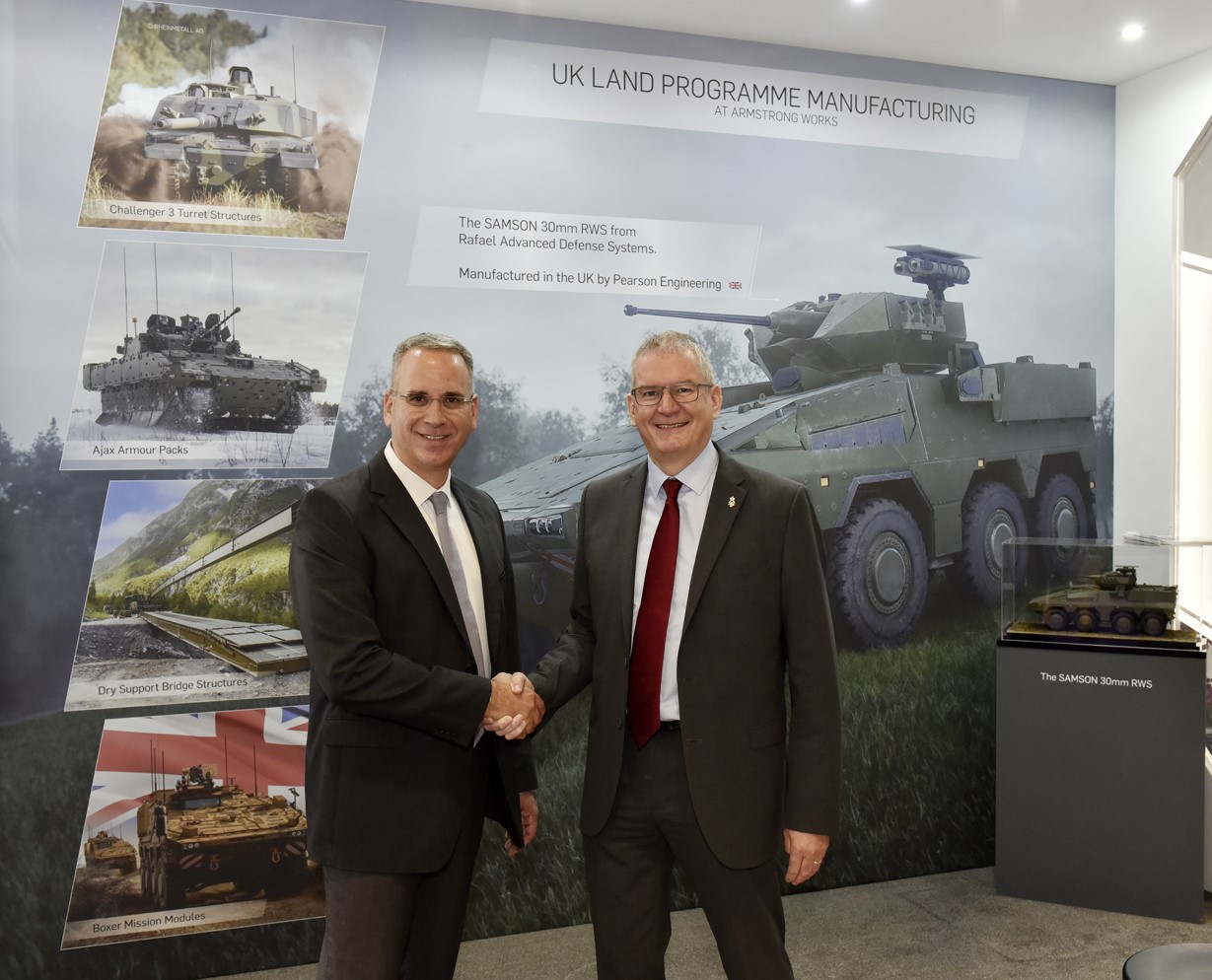
RAFAEL announced that Pearson Engineering will play a significant role in delivering the SAMSON 30mm Remote Weapon System (RWS). Initially, the collaboration will see critical knowledge and skills transferred to our Newcastle team, based at Armstrong Works on Scotswood Road. Learn more about the collaboration.
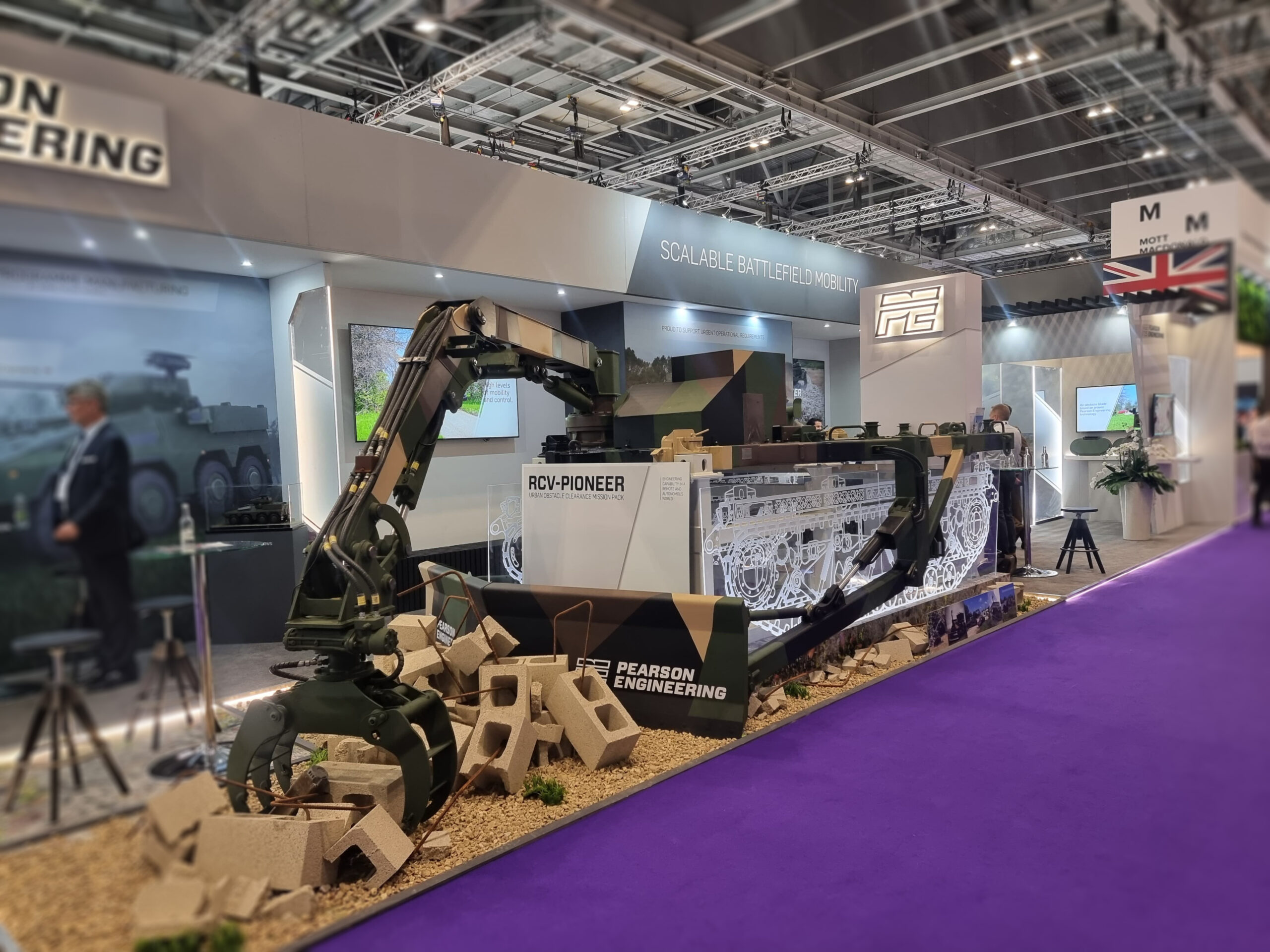
We displayed our RCV-Pioneer technology demonstrator at DSEI 2023, showcasing our concept for the future of remote and autonomous combat engineering capability in the UK for the first time. Learn more about the capabilities that our RCV-Pioneer can provide.
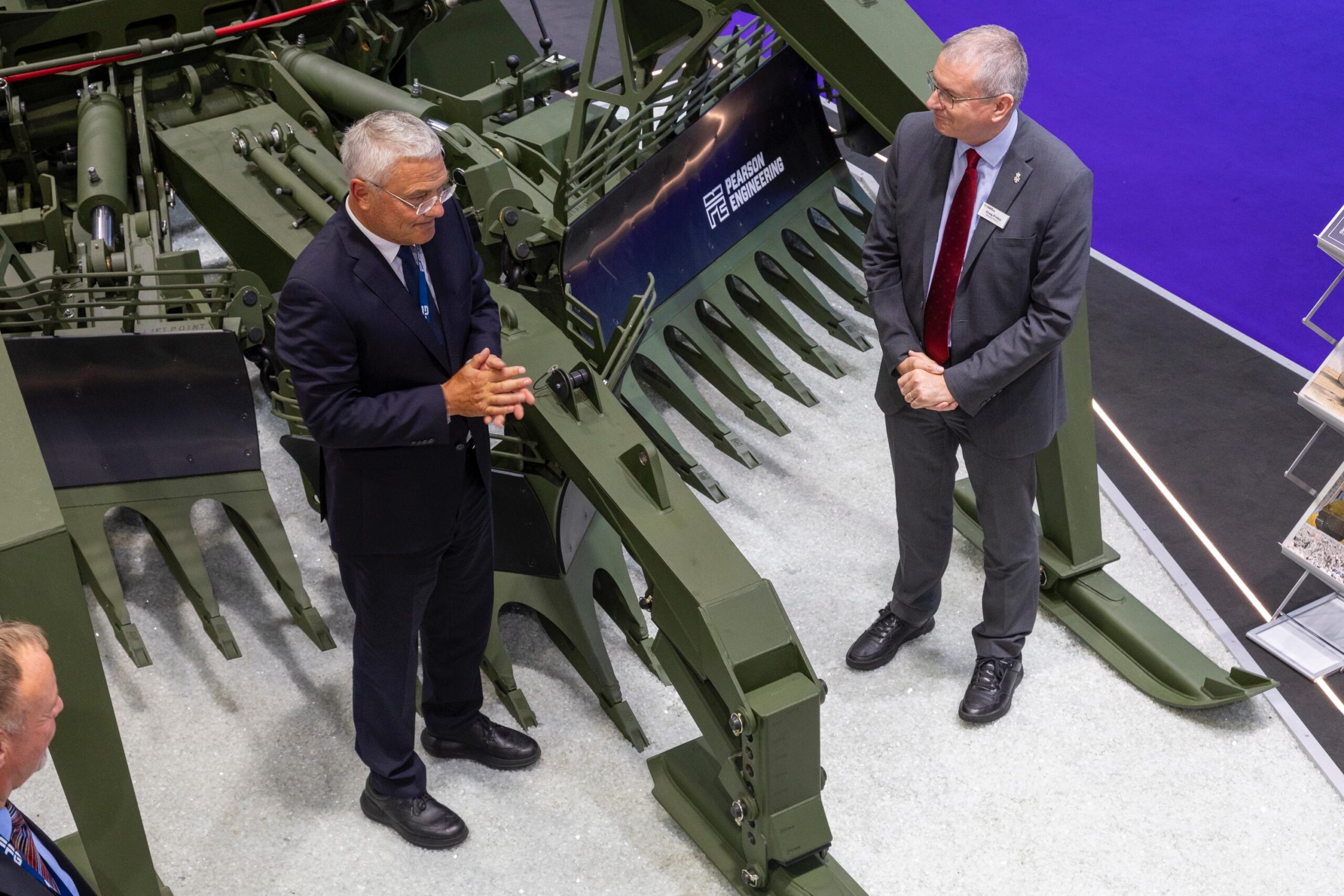
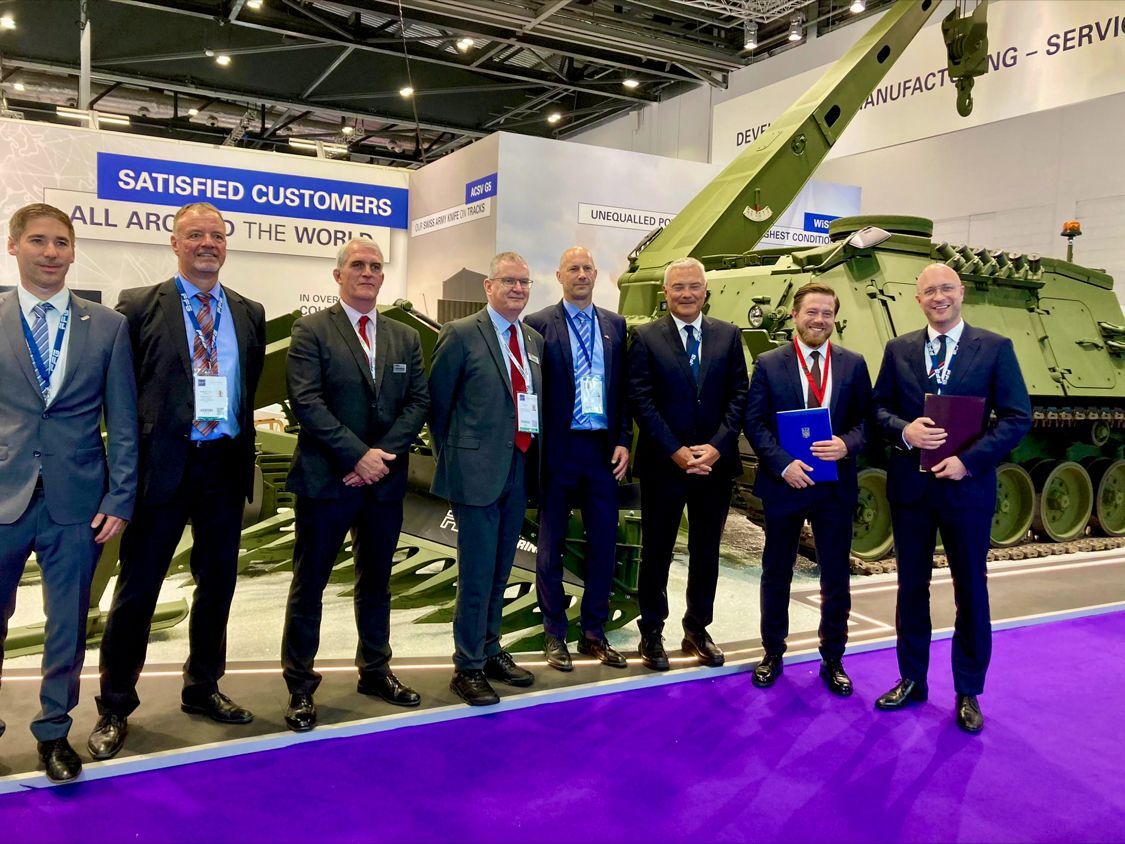
Over on the FFG booth, our Managing Director, Craig Priday, and Business Development Director, Richard Beatson, attended a special gathering with FFG and the Director for the Enterprise of the Ukrainian Ministry of Defence. We were able to mark our joint programme to provide Minefield Breaching capability to FFG’s Protected Mine Clearance Tanks for Ukrainian Armed Forces., We also briefed senior Ukrainian Ministers on our programmes and ability to meet Urgent Operational Requirements throughout the show.
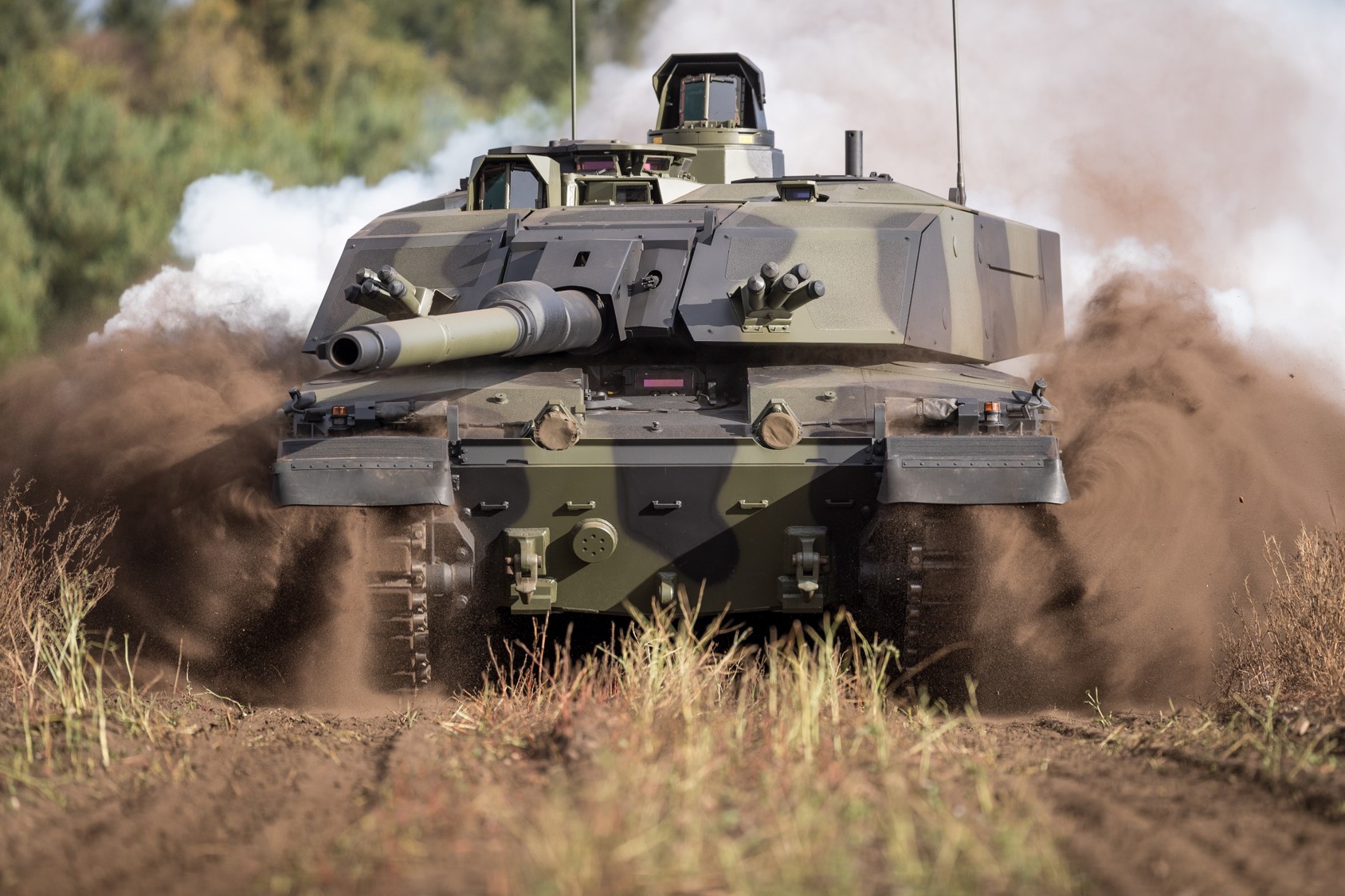
Pearson Engineering are a key partner in the Challenger 3 programme, manufacturing the turret structures for the British Army’s Challenger 3 Main Battle Tank. During DSEI this year, Rheinmetall BAE Systems Land (RBSL) announced the August delivery of the first CR3 citadel for Prototype 1 (P1) in Telford; this is a huge milestone for the CR3 programme. Learn more about the CR3 milestones.
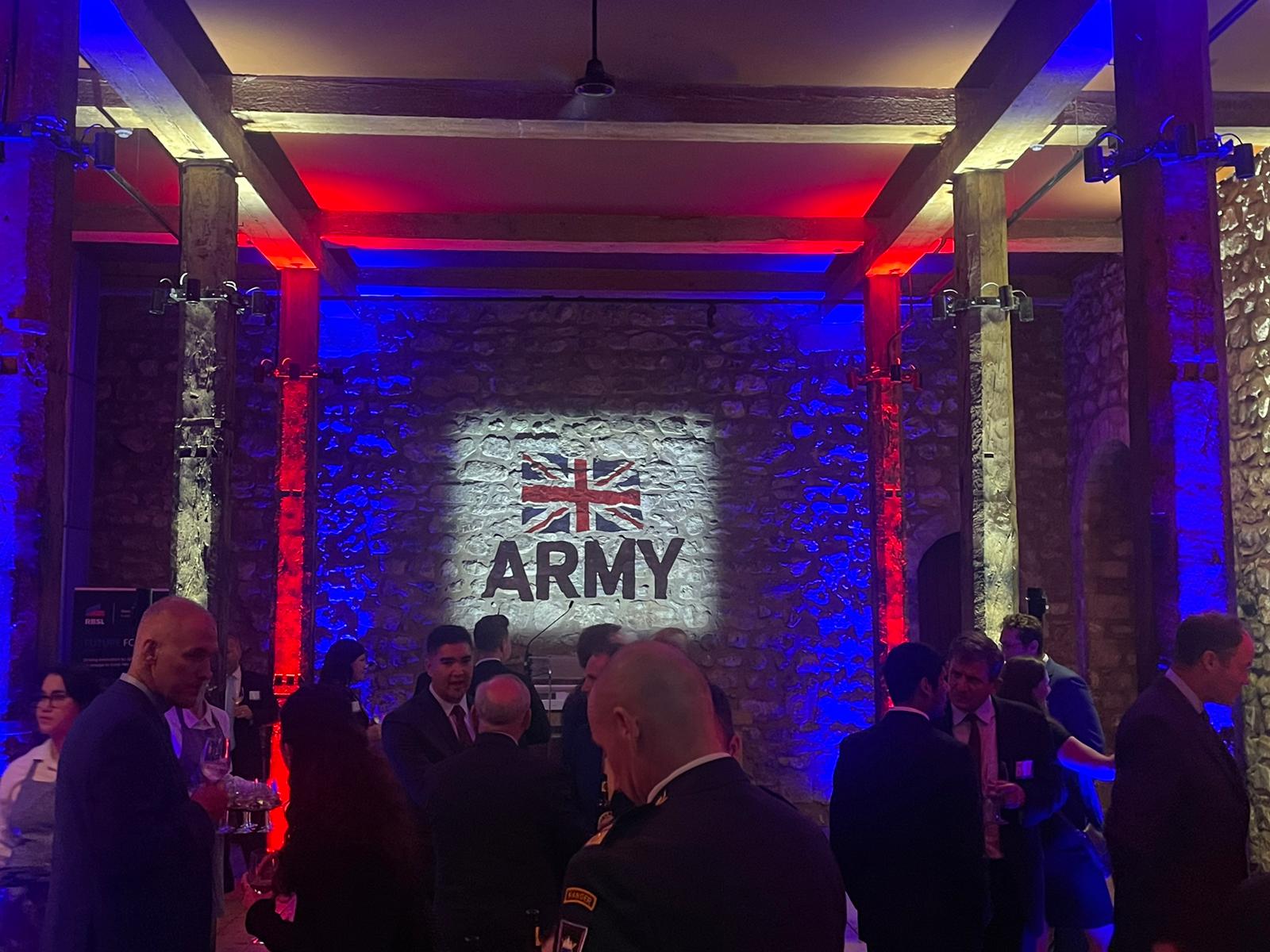
On the first evening of DSEI, we sponsored a British Army evening reception at the Tower of London. The event was hosted by the Chief General Staff of the British Army in the White Tower with the aim to bring together international delegations at DSEI. The evening included a Beating the Retreat ceremony, thought-provoking speech by General Sir Patrick Sanders and the opportunity to view the crown jewels alongside international partners.
Throughout DSEI we welcomed a host of the UK Ministry of Defence and British Army personnel to our stand. With projects spanning the supply of product for the UK and export, and manufacturing services across the UK’s three major armoured vehicle programmes, our home exhibition provided a useful opportunity to further discussions.
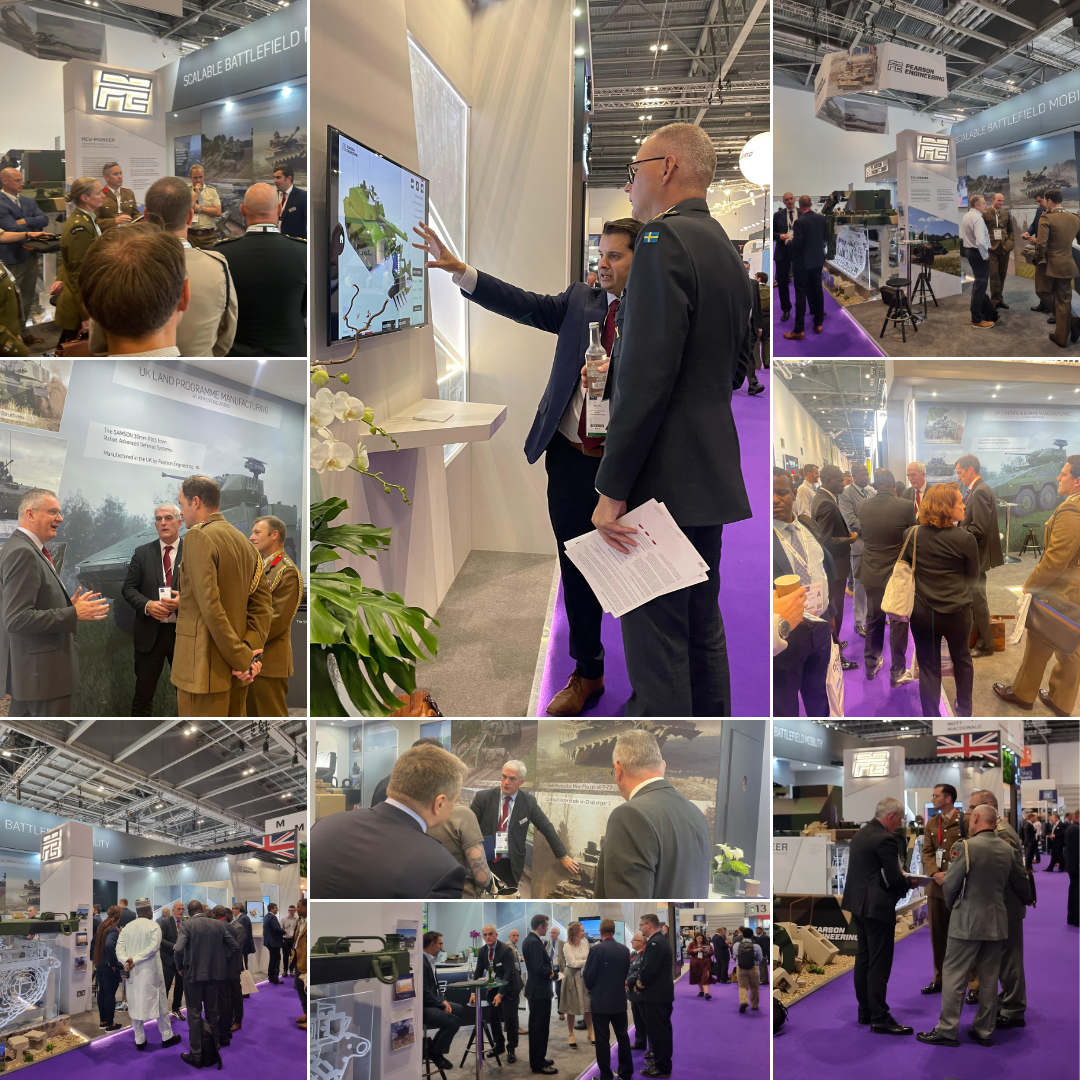
We also welcomed many international delegations throughout DSEI; we had very positive discussions around Pearson Engineering capabilities. We also held an evening briefing for our international advisors presenting how we are adapting and moving into the future as a company.

We would like to take this opportunity to thank everyone who visited our stand during DSEI 2023 and we look forward to DSEI 2025!
Our battle proven minefield breaching products provide armoured vehicles with the capability to defeat anti-tank mines. Whether intended for deliberate breaching or to support ‘freedom of manoeuvre’ for fighting vehicles, our blast-resistant ploughs give Commanders the option to move unimpeded and in doing so, maintain a battlefield advantage.
Our earth loading capability delivers a powerful digging and carrying ability, enabling armoured vehicles to transport materials, clear obstacles, dig and fill trenches and to assist in construction tasks. Our loaders can be provided with varying degrees of function and therefore complexity to support different mission sets.
Our interrogation capability is rooted in providing additional capability for Counter-IED and Route Proving operations. To supplement physical detection from ground engaging roller systems, our interrogation arm can be used to further understand the nature of threats and to identify where risks may be present outside of the path of the roller.
Our obstacle and earth moving products include general purpose and multi-purpose dozer blades, designed specifically to meet the needs of different mission sets. Our blades are designed to be tough, robust and lightweight, enabling a wide range of obstacle and earth moving activities whilst minimising the impact on the vehicle’s mobility.
Typically used alongside Pearson Engineering’s Route Opening Mine Plough, Surface Clearance Device or Route Proving rollers, our highly configurable obstacle marking systems support battlefield mobility by quickly and reliably marking safe lanes and the edge of hazardous areas.
Our excavation capability is designed to support combat engineer operations such as digging, demolishing, removing obstacles and filling trenches to support Area Access and Area Denial.
Our approach is often described as a ‘Swiss Army Knife’ in that host vehicles can be adapted to take on various combat engineering roles, or to overcome challenges to mobility. Integration of our products with the vehicle is made via a Pearson Engineering Direct Fit Interface or Pearson Engineering Quick Connect. The most suitable integration method depends on the mission requirements and vehicle capabilities. Our engineers will work closely with end-users and vehicle manufacturers to define the most appropriate route to minimise the impact on the vehicle and to maximise operational capability. Decisions are often based on hydraulic and electrical availability as well as the required role of the vehicle. Our integration kits are used to fit products that are designed to enhance armoured vehicle agility, tactical flexibility and adaptability. They are designed to be configurable and to deliver ‘freedom of manoeuvre’ to operations.
Our recovery capability includes a range of dedicated and multi-purpose blades which are primarily designed to support the recovery of other vehicles and for moving of heavy obstacles. A powerful ground-engaging blade sinks into the earth to hold a vehicle static, acting as the force against which the obstacle can be pulled. The same blade can be articulated to provide some obstacle and earth moving capability.
Surface laid mines represent a rising threat as Armed Forces turn their attention to near peer conflict. Our solutions, each designed to support the missions of dedicated combat engineer vehicles or fighting vehicles, provide a comprehensive detect and displace capability to support deliberate clearance or self-extraction in the face of air delivered scatterable mines.
Our highly configurable rollers have saved countless lives, limbs and assets on operations in Iraq and Afghanistan and have succeeded in ensuring ‘freedom of manoeuvre’ for soldiers around the world. Provided as either a full-width ‘route proving’ variant to actively check routes for the presence of Improvised Explosive Devices, or as a track-width ‘self-protection’ variant, our rollers are designed specifically to meet the needs of wide-ranging operational requirements. Our continued Research & Development and our approach to customisation provides confidence to those who use them.
Like all of Pearson Engineering’s products, our assault gap crossing solutions are designed to be modular, to be interchangeable with other mobility and counter-mobility equipment and to support ‘freedom of manoeuvre’ on the battlefield. In a time when units are tasked to ‘march divided and fight united’, independent manoeuvre support is key.
Our range of Mine Clearance platforms and tools provide Armed Forces and other organisations with scalable solutions for mine clearance, explosive ordnance disposal and the defeat of improvised explosive devices. Our platforms and their tools can also be used to create mobility challenges for adversaries. Proven around the world, these mine clearance platforms and their tools are designed specifically to meet the needs of different operational contexts from large area clearance to support logistics and peace keeping operations through to clearance in complex terrain.